Community Resource Coordination
We are identifying reliable housing, workforce, social-service, education, food-access, and emergency-support resources for coordinated referral pathways.
New Jersey · 501(c)(3) nonprofit organization
How Can I Community Development Corporation (HCI CDC) connects people, resources, housing solutions, and strategic partnerships to advance affordable housing, community stability, economic opportunity, and long-term self-sufficiency.
About HCI CDC
Learn what guides our organization, who we serve, and the outcomes we advance.
01
How Can I Community Development Corporation is a nonprofit community development organization established to strengthen individuals, families, and communities by connecting people to practical opportunities, resources, housing solutions, and pathways toward greater economic and social stability.
Our work focuses primarily on low- and moderate-income households, individuals and families experiencing housing instability, unemployed and underemployed adults, aspiring entrepreneurs, justice-involved residents returning to their communities, youth who need educational and career pathways, and senior citizens seeking greater stability, connection, and access to essential resources.
Our role Bridge the gap between community need and community opportunity while directing resources toward residents and neighborhoods facing documented barriers.
02
The mission of How Can I Community Development Corporation is to advance community stability and economic opportunity by developing and supporting initiatives focused on housing stability and affordable housing, community development, workforce and economic opportunity, resource access, and strategic community partnerships.
03
Our initiatives focus primarily on underserved and economically vulnerable individuals, families, and communities, including low- and moderate-income households and residents experiencing barriers to housing stability and economic opportunity.
Program eligibility Specific requirements and populations served vary by program, funding source, and available capacity.
04
Program development incorporates available demographic and socioeconomic data, government and community needs assessments, stakeholder input, resident engagement, partner information, and documented service gaps.
Our standard Direct limited resources toward interventions with identifiable demand and measurable community benefit.
05
HCI CDC is building the capacity to develop and administer programs, responsibly manage public and private funding, advance affordable housing and community development initiatives, coordinate strategic partnerships, and direct resources toward communities where measurable needs exist.
Our objective Build sufficient organizational capacity to create sustainable community impact—not growth for its own sake.
What we are doing now
HCI CDC is actively strengthening the partnerships, systems, and resource pathways required for responsible, measurable community programming.
We are identifying reliable housing, workforce, social-service, education, food-access, and emergency-support resources for coordinated referral pathways.
We are building relationships and operating procedures that support housing navigation and household recovery after fires and other destabilizing events.
We are cultivating relationships with training providers, schools, employers, mentors, and skilled-trade professionals to shape practical pathways.
We are strengthening board oversight, financial controls, grant readiness, partnership documentation, and outcome-tracking systems.
Current operating phase Organizational development, partnership formation, resource mapping, and phased program activation. Direct assistance depends on verified eligibility, available capacity, secured resources, and provider availability.
Organizational capability
Explore our mission, community-development focus areas, populations served, and program-development approach.
Program development in action
HCI CDC is actively building a practical, partnership-led program portfolio. Each initiative advances in phases as we document need, secure funding, confirm qualified partners, and verify organizational readiness.
Stabilization, healthy housing, preservation, rehabilitation, and responsible development.
Employment pathways, skills development, entrepreneurship, and procurement access.
Mentoring, educational enrichment, career exposure, and leadership development.
Resource navigation, housing stability, digital access, and social connection.
Coordinated referrals, emergency stabilization, recovery support, and access to community services.
01
HCI CDC’s housing strategy begins with helping residents navigate existing resources and advances toward the preservation, rehabilitation, and responsible development of affordable housing through qualified partnerships.
Long-term objective Expand access to safe, quality housing while supporting neighborhood stability and lasting affordability.
02
HCI CDC is building a workforce pathway model that connects unemployed and underemployed residents with career-readiness support, employment resources, occupational training partners, digital and administrative skills, entrepreneurship guidance, and procurement opportunities.
Program development prioritizes relationships with employers, workforce-development boards, educational institutions, training providers, labor partners, and community organizations so participants move from preparation toward realistic employment or business pathways.
Partnership first We are structuring a model that coordinates access through qualified organizations and expands referral capacity instead of unnecessarily duplicating effective services.
03
HCI CDC is developing youth pathways that introduce participants to STEM, engineering, skilled trades, technology, entrepreneurship, financial capability, and career readiness.
The model combines instruction, mentorship, hands-on projects, and supervised community service so young people build practical skills while contributing to neighborhood improvement and other community-development initiatives. HCI CDC is cultivating partnerships with schools, training providers, employers, mentors, and youth-serving organizations to create consistent guidance and age-appropriate opportunities.
Priority outcome Young people who are supported, prepared, connected, and equipped to plan their next steps while contributing positively to their communities.
04
HCI CDC is developing this pillar to help senior citizens navigate housing and benefit resources, improve digital access, strengthen social connection, and reach appropriate health, transportation, and community-based services.
We are pursuing partnerships that support home safety, housing stability, aging in place, and coordinated referrals as resources and qualified providers become available.
Priority outcome Greater independence, dignity, stability, and connection for older adults.
05
HCI CDC is building a coordinated navigation model that helps residents identify appropriate housing, workforce, social-service, educational, economic, and community resources.
Fire Recovery & Household Stabilization. HCI CDC is establishing the partnerships and operating capacity needed to connect households displaced by residential fires and other emergencies with temporary lodging, food, clothing, essential supplies, replacement-document assistance, housing navigation, recovery resources, and qualified community providers. Assistance depends on verified need, available funding, and established partnerships.
The model emphasizes informed referrals, partner coordination, appropriate follow-up, and documentation of recurring service gaps so programming responds to verified needs.
Priority outcome Help residents reach the right resource while using service data to identify unmet community needs.
06
HCI CDC pursues strategic partnerships with government agencies, nonprofit organizations, educational institutions, housing organizations, healthcare and social-service providers, businesses, contractors, funders, community leaders, and residents.
Priority outcome Combine resources, expertise, funding, facilities, and community knowledge to produce measurable outcomes.
Community in action · Documented impact
Although HCI CDC was formally established in 2025, its mission was built through years of direct service and community problem-solving, including outreach during and after the COVID-19 pandemic.
Founder Shanifah M. McCurdy has provided direct, hands-on community outreach throughout Essex County.
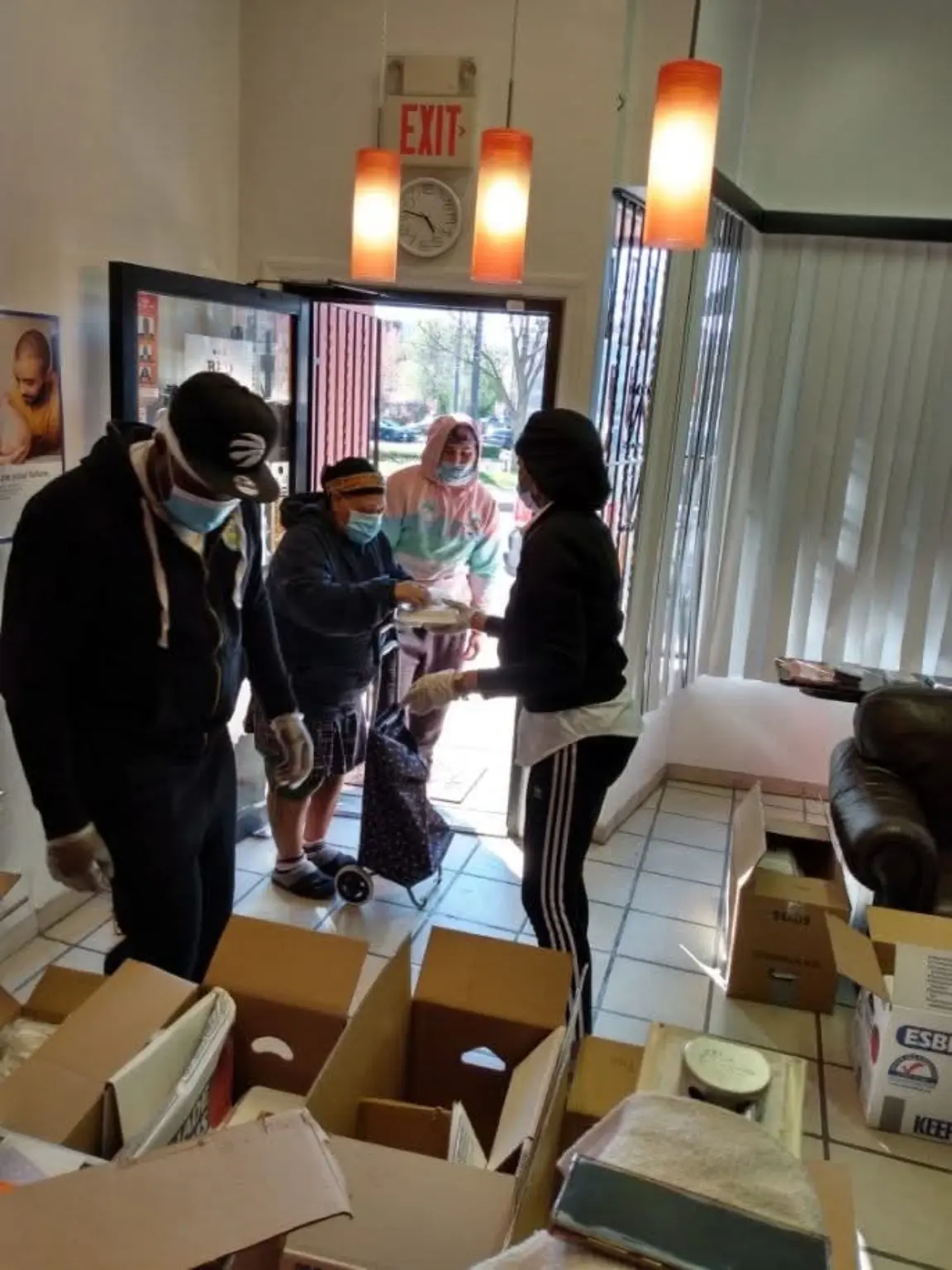
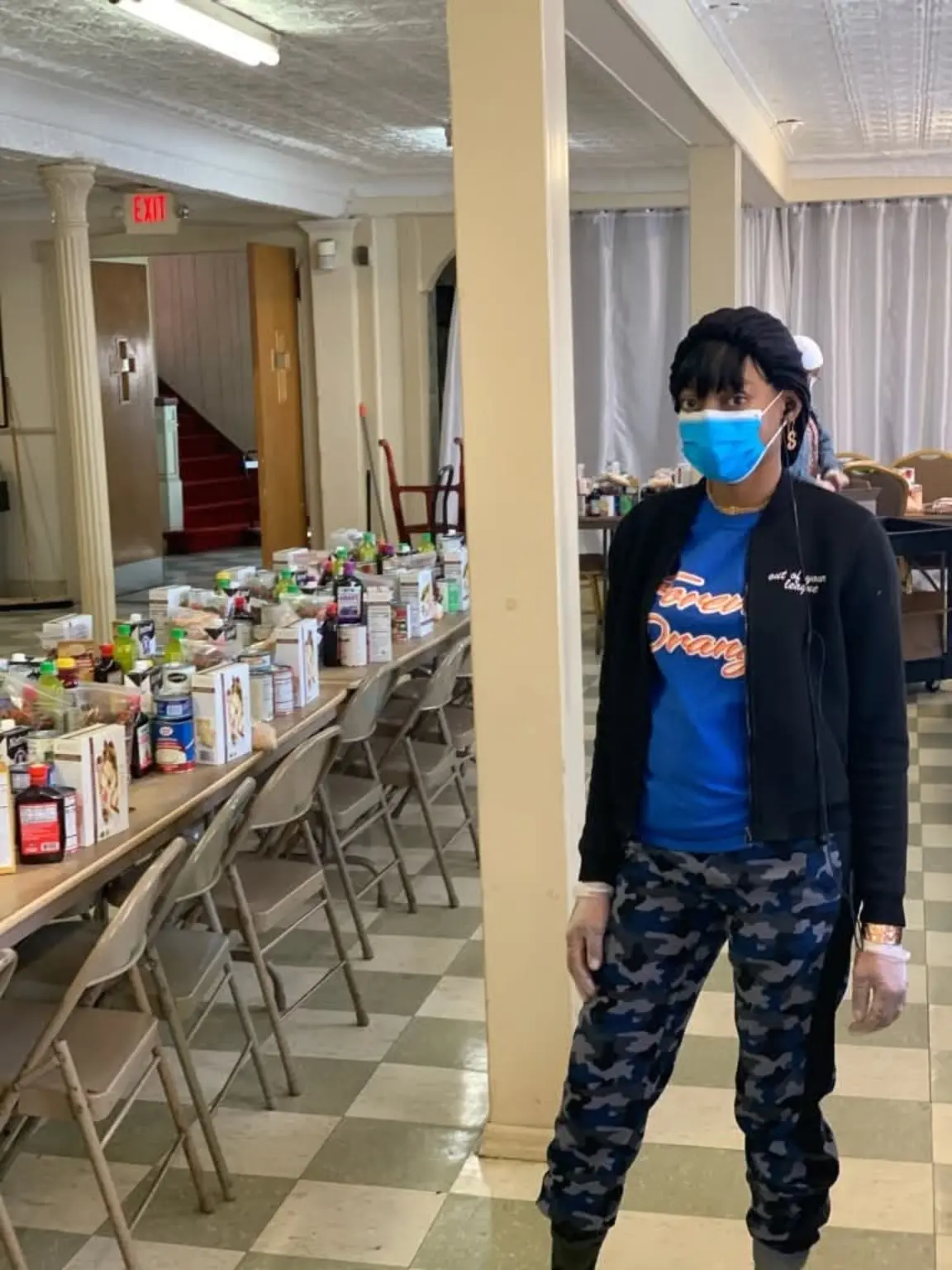
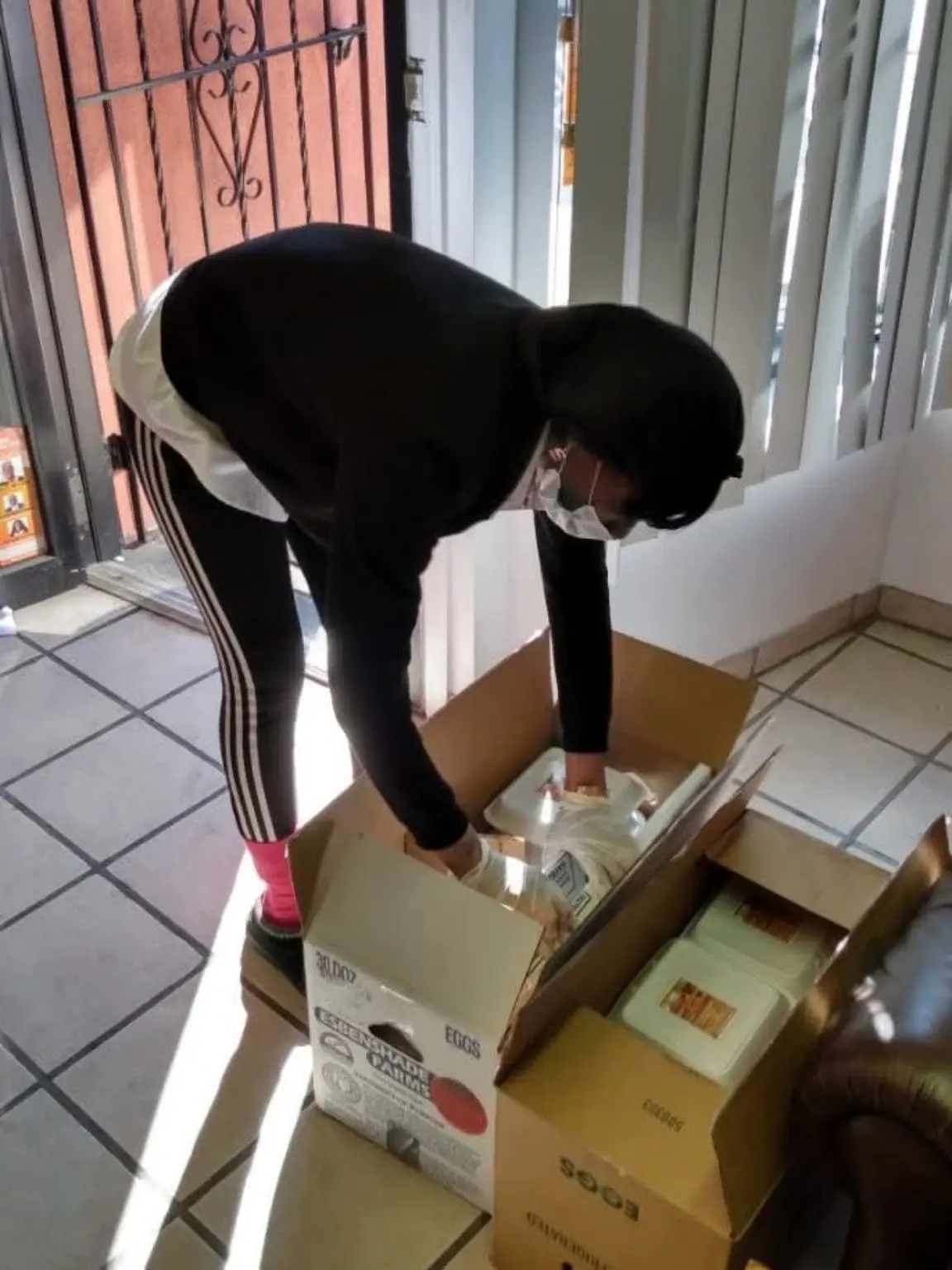
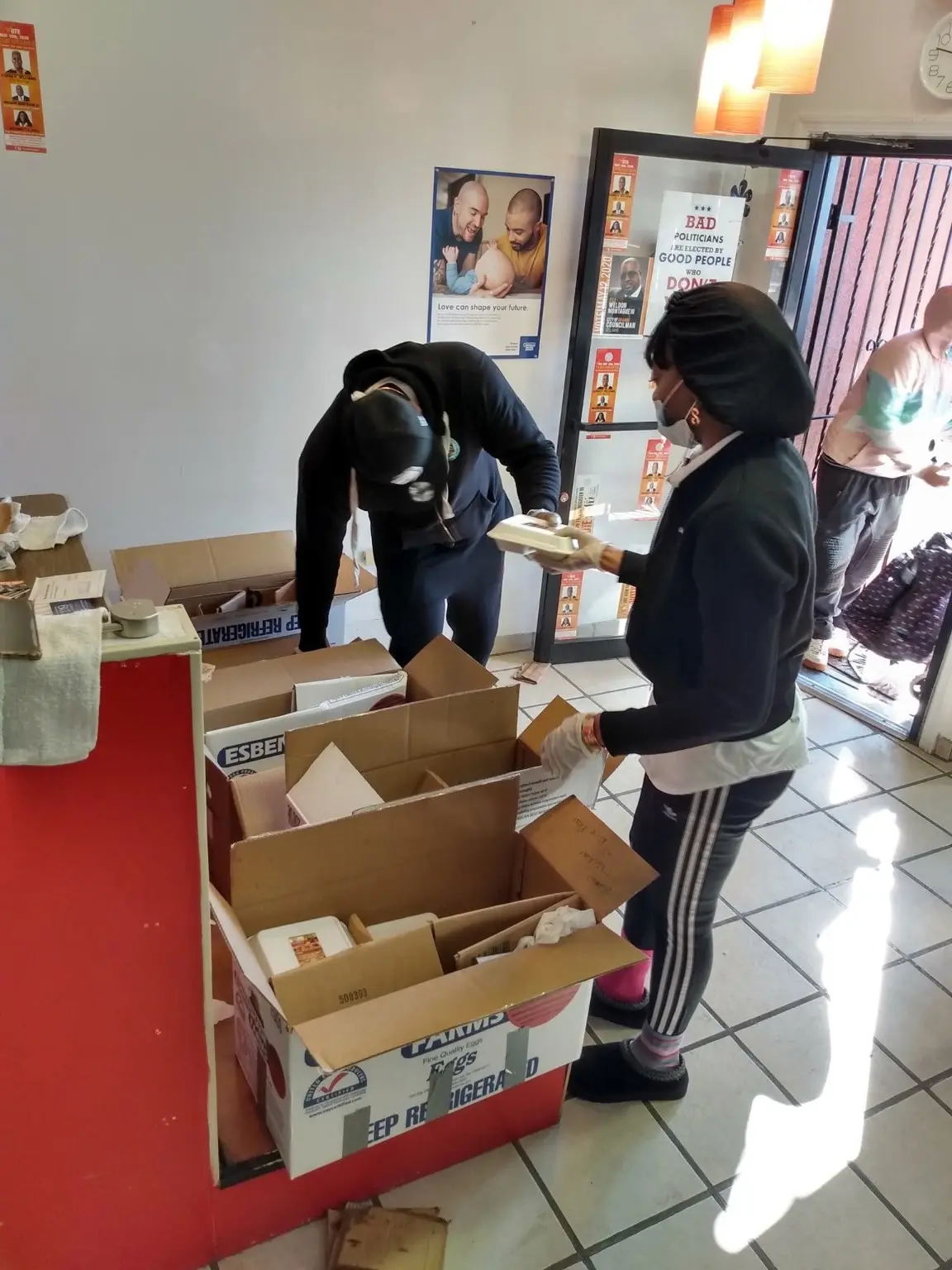
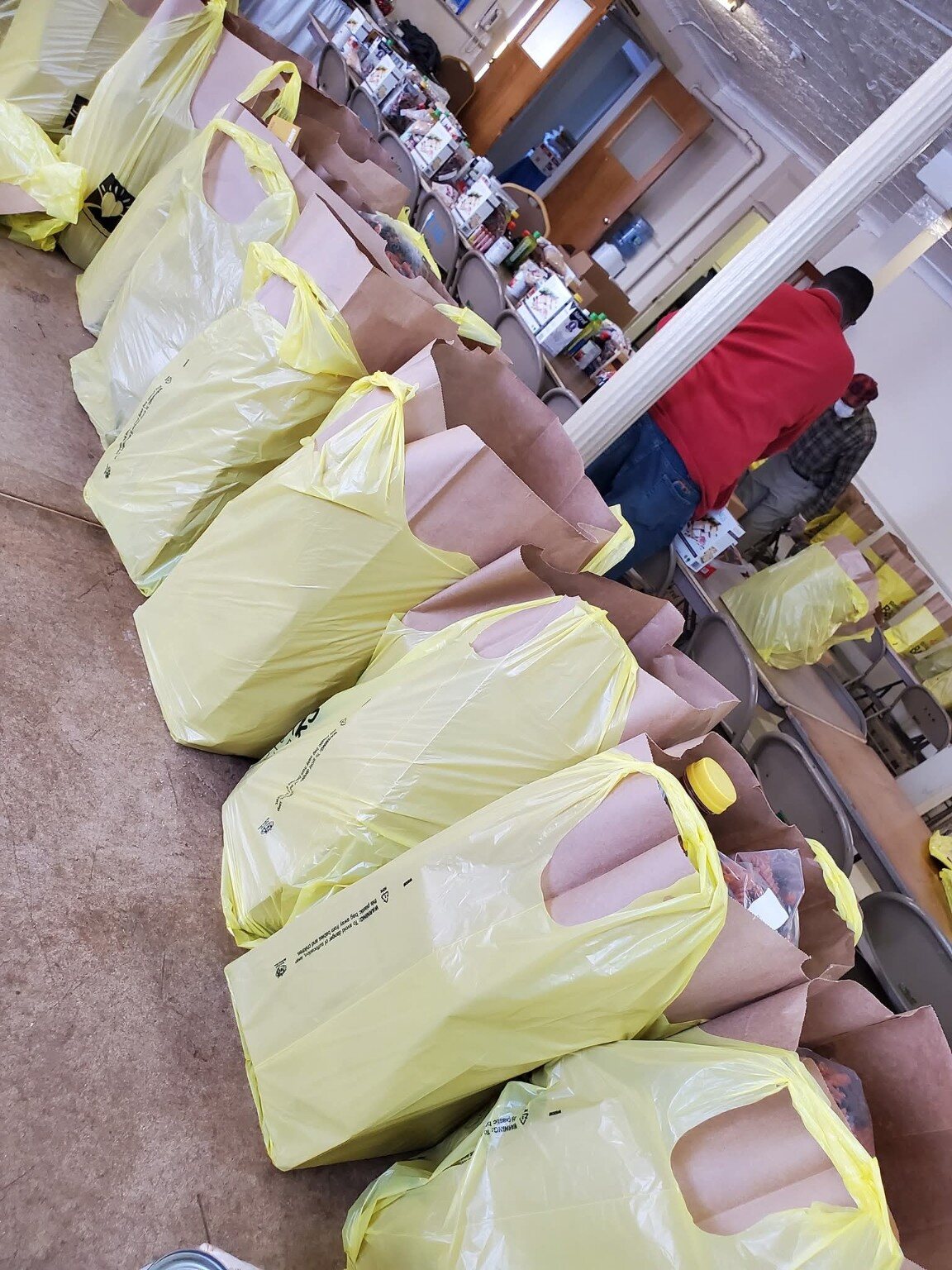
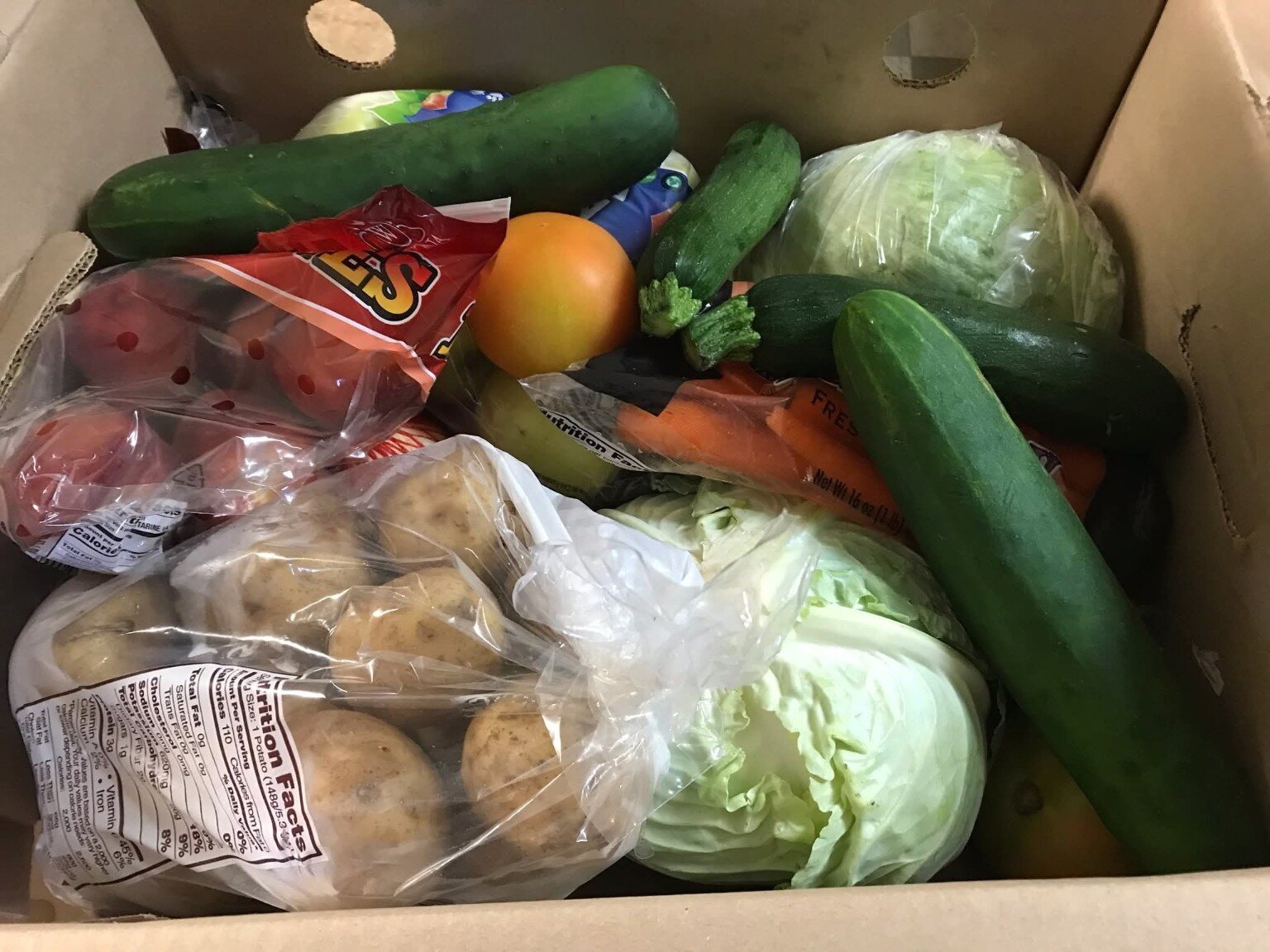
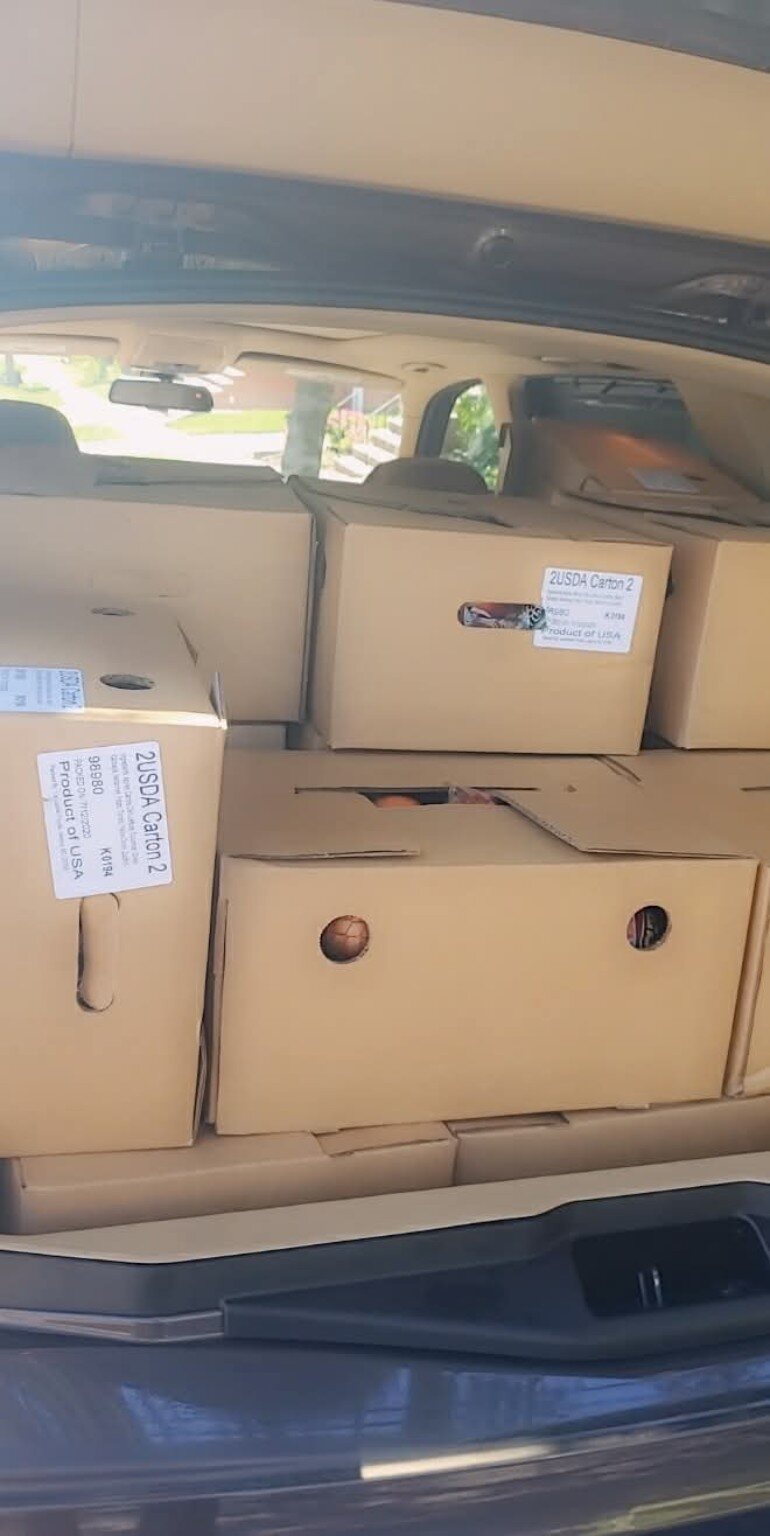
Through volunteer service with Ebenezer Baptist Church in Orange, New Jersey, she assembled more than 100 food bags per distribution day using church-provided food and personally distributed or delivered them to senior citizens, community facilities, and community members.
Separately, Shanifah organized a recurring biweekly meal outreach using approximately 100 prepared meals per distribution donated by Jam Icons Jamaican Restaurant and Catering Services. She coordinated and personally distributed the meals to individuals experiencing homelessness throughout Newark, East Orange, Orange, and Irvington.
100+food bags prepared per distribution day
≈100prepared meals coordinated per biweekly outreach
4Essex County municipalities reached through meal outreach
Why it mattersThis documented experience shapes HCI CDC’s commitment to food access, senior support, homelessness response, and coordinated community resources.
Leadership & accountability
HCI CDC is committed to responsible stewardship, transparency, and community-centered decision-making.

Founder & Chief Executive Officer
Shanifah M. McCurdy leads HCI CDC with experience in direct community outreach, resource coordination, nonprofit development, administrative operations, and partnership building. Her service across Essex County includes coordinating food preparation, meal distribution, and direct delivery to senior citizens, community facilities, community members, and individuals experiencing homelessness.
She established HCI CDC in 2025 to give long-term structure to a mission developed through years of service and strengthened during the COVID-19 pandemic, when gaps in food access, housing stability, economic opportunity, and coordinated support became especially visible.
How we work
We use a responsible, evidence-informed approach that connects documented community needs with resources, accountable action, measurable results, and sustainable solutions.
Listen to communities and validate priorities with evidence.
Align residents with relevant services and opportunities.
Define responsibilities, referrals, safeguards, and shared outcomes.
Launch responsibly with defined responsibilities and participant safeguards.
Track services, partnerships, resources leveraged, and program-specific outcomes.
Strengthen effective programs through diverse funding and repeatable systems.
Responsible growth
GovernanceBoard oversight, documented policies, ethical decision-making, and clear accountability.
Financial resilienceDiversified grants and contributions, prudent cost activation, and a long-term goal to build a board-designated operating reserve from unrestricted revenue as resources allow.
Program qualityReadiness standards, outcome measurement, participant safeguards, and continuous improvement.
Organizational sustainability
HCI CDC’s sustainability strategy is to grow in proportion to secured resources, maintain strong governance and financial controls, diversify public and private funding, document measurable outcomes, and build partnerships that extend the reach of every investment.
A board-designated operating reserve is a future financial safeguard—not a program expense. As unrestricted revenue becomes available, the organization may set aside board-approved funds to help maintain essential operations during funding delays, unexpected costs, or temporary revenue interruptions.
Partnership inquiries
How Can I Community Development Corporation welcomes conversations with nonprofits, public agencies, funders, employers, schools, senior-service organizations, community organizations, and service providers whose work aligns with housing stability, youth development, older-adult well-being, resource access, and economic opportunity.
Contact How Can I Community Development Corporation contact.hcicdc@gmail.comSupport the mission
Charitable contributions strengthen HCI CDC’s organizational capacity and help activate housing, workforce, youth, senior, and community-resource initiatives through responsible, phased implementation.
Request donation information For contribution instructions, in-kind support, or institutional giving inquiries, contact contact.hcicdc@gmail.com.